
Ever since AI Overviews were launched, SEO experts immediately started to dig in and try and figure out how they work. This gave rise on a new variant of the industry, aptly named as GEO- or Generative Engine Optimization.
Although this is still in its infancy, so much so that I am not personally prepared to make any definitive statements on what “works” just yet, one element has come up in conversation from many independent sources whose advice I trust- structured data is becoming immensely important.
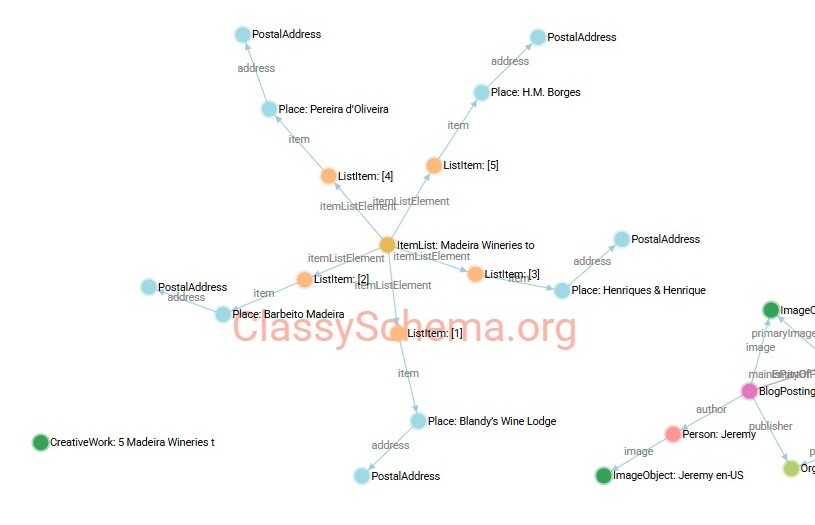
One way bloggers can add more structured data to their sites, that AI crawlers may pick up on, is through an older code type known as Schema Markups. Many bloggers ignored these for decades because, well, they weren’t entirely necessary when keywords could do the trick. But with more and more AI tools growing and using structured data as its backbone, it is becoming a critical tool in the GEO arsenal.
So I dove down into research and set up a test using my own sites as the subjects. In this one, I wanted to break down a bit more about what Schema markups are, how I used AI to generate my own code, and share a bit of the results I’m seeing so far as they are, admittedly, a fair bit encouraging!
Disclaimer: In my guides, I usually like to produce content only on topics that are easily repeatable (e.g. do X, Y, Z, and wait to see if you have results like mine). Schema Markups are not easily repeatable. In a way, the steps I took in this one falls under the new notion of “vibe coding”- using AI to develop code in an iterative process to reach a mostly good, but not perfect, end goal. This article is not perfect. You will run into trouble along the way. Treat this as a starting point, because, to be honest, even with my best instructions, it is almost impossible to get AI to recreate this code verbatim. So use these steps and start testing. But let me be the first to say, I consider this one to still be quite risky and prone to error.