
5 Blogging Tasks to Look at When You’re Burnt Out on Writing

Oh, burnout. If you have been blogging for as many years as I have, burnout may as well be your middle name.

At some point, writing for your blog becomes a chore. This could be either in the form of writer's block, being discouraged at your current growth rates, or simply not being able to generate new ideas for your niche (as a travel blogger, I call this 2020).

Thankfully, writing is only one small component of what we as bloggers do. When I find myself dreading putting yet-another word online, I tend to take a step back and look at other activities I may be able to look at which benefit my site but do not necessarily involve writing.

In this one, I wanted to share a few ideas to help you get started if you are suffering from this as well.

Read more

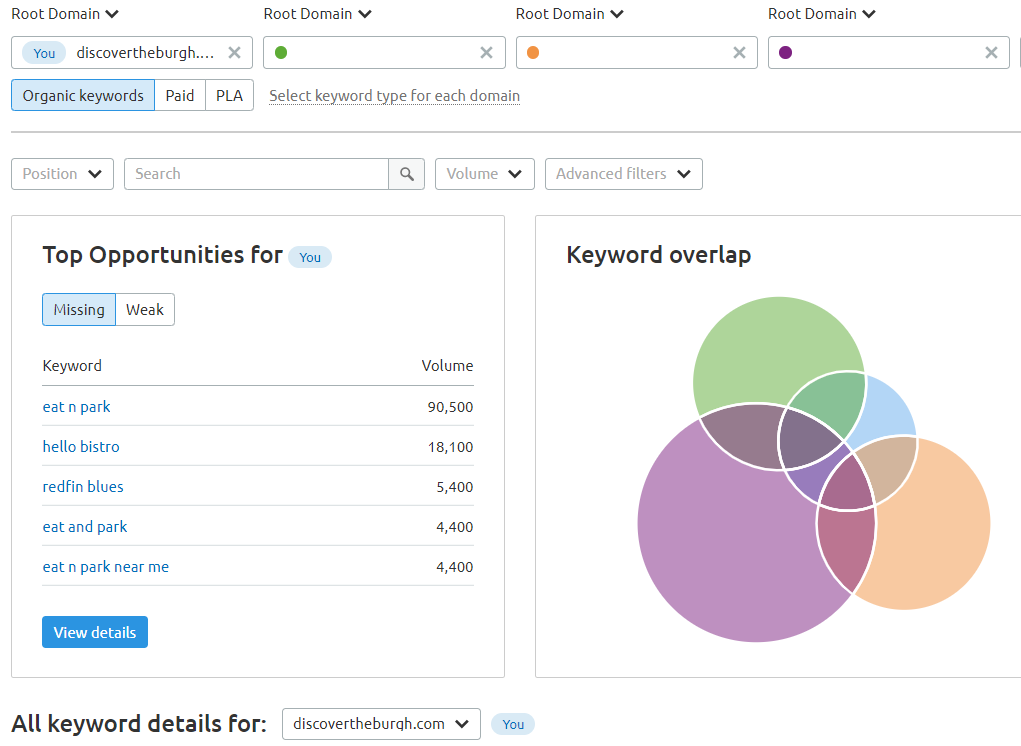
SEMrush Review – A Comprehensive SEO Tool at a Price

At its core, SEMrush is a one-stop-shop for all things SEO. It allows you to perform keyword research, track positions, spy on your competitors, find common SEO errors, and a whole lot more.

While some of these features may be best utilized by SEMs who have a number of client websites they manage, bloggers may find a few of SEMrush's features especially valuable including their keyword and backlink analysis tools, competitor insights, and more.

Read more

What Happened When I Removed Dates from My URL Slugs

When I started my first blog in 2008, I had no idea what I was doing. In many cases I opted for whatever the default setting was in Blogger (my CMS at the time), and, as blogging best practices weren't established just yet, I had no idea why some settings were terrible.

This has come back to bite me many times throughout the years.

Having dates in my URLs was one such setting that I was unaware could pose a problem down the road. 

It only took 11 years for me to pay a developer to remove dates from my URL slugs on that site, and quite frankly it was something I should've done a long time ago. In this one, I wanted to share the results of this change.

Read more

Hotjar Review – Lessons Learned After Installing Heatmaps on Our Sites

If you run a website and want greater insights into the actions users actually take on any given page, you may want to give heatmapping a try.

Heatmap services, like Hotjar, offer a wealth of performance data from actual users (overlayed directly on your site for a visible breakdown of click locations), and lets you get a glimpse into the user experience of your site far more than global analytics data provides.

When we installed this one on two sites for a test, I have to admit the results were striking!

Read more

What Travel Affiliates Pay the Best? Data of Top Performers

Travel affiliate programs are our second highest income stream, just behind CPM advertising with our private ad network Mediavine.

We made roughly $25,000 on travel affiliates in 2023 (or about $8 RPM on page views all-in). This includes on our global travel blog, Living the Dream, our local Pittsburgh blog, Discover the Burgh, and our wine blog with limited wine tourism content, The Grape Pursuit.

In this one, we wanted to share our highest-paying affiliate programs for our travel blogs and take a look into how we use them to make money, how much we make on each network, and what we do to promote them the best. As with everything, odds are good we are not the most optimized even though we have spent months, if not years testing out the placements for these programs.

It is likely you could have a travel blog that is virtually identical to ours and not have the same results (for better or for worse). All this post is meant to be is a collection of best affiliate programs that work for us, and our attempt to highlight why that is.

Read more

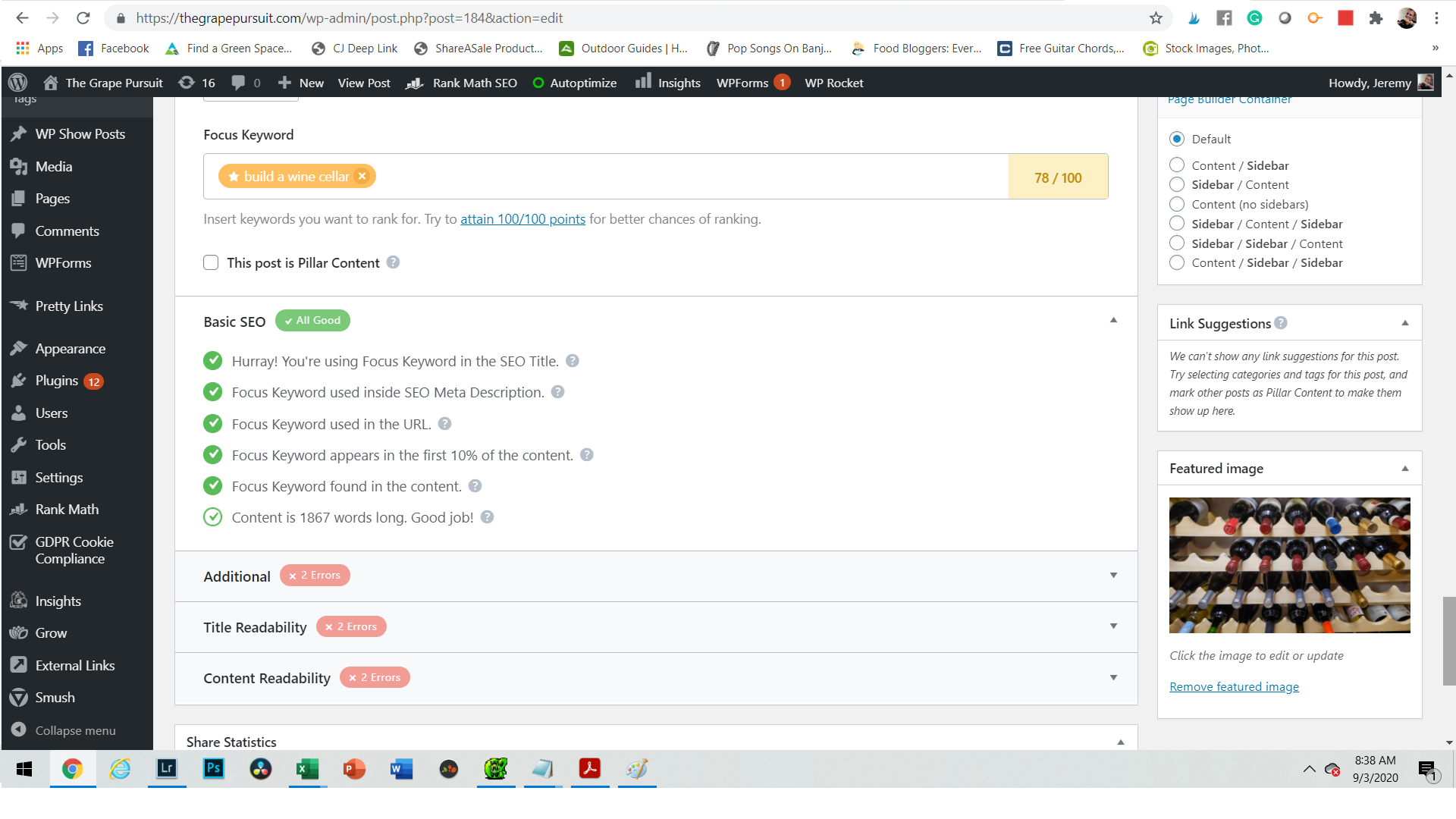
Rank Math vs Yoast – Which SEO Plugin is Best for You?

For many years, I used the Yoast plugin on my sites to help with SEO. The plugin is fairly straight forward, has a number of customization options, and, when it came to the tasks I wanted to accomplish, the plugin works beautifully.

Recently, a new SEO plugin has come out to the scene by the name of Rank Math and has been receiving rave reviews online.

Naturally, I was curious and decided to turn the plugin on for one of my newer blogs to see what it is all about. In this one, I thought it'd be fitting to compare the offerings between Rank Math and Yoast to help you decide if it is worth switching.

Read more

How to Improve Your Google PageSpeed Insights Score

Google is fickle when it comes to providing information that can be helpful for publishers. They rarely publish SEO guidelines and are equally silent on algorithm changes overall apart from self-serving tweets from a few key employees.

One tool that Google does provide that website operators can use is PageSpeed Insights. This service is designed to score your site on a 100 point scale which is somewhat analogous to site speed. The higher your score, the “faster” your site is as perceived by Google. Whether this score itself is an SEO factor remains to be seen, but many experts would say that the technical components that go into the score most certainly are. But if we were to ignore this altogether, the simple truth is that if Google shares tools that can help publishers, you'll do well to at least look into it more.

In this guide, we wanted to breakdown how we look at PageSpeed Insights, and highlight several ways you may be able to improve your PSI score as well.

Read more

How to Use FAQ Schema to Improve Your Google Rankings

Schema Markups have become a useful tool in your SEO arsenal in order to provide more data to the search engine in exchange for enhanced visibility in results.

One such schema is the FAQ markup where a list of generated questions can appear below your meta description. While Google's main reason for incorporating these is to likely keep people on Google and off your site, when done well it can increase your average position, take up more vertical space in SERPs, and improve your clicks as well.

In this one, I did a test with 50 articles split between two of my sites to see if using FAQ Schema is worth it.

Read more

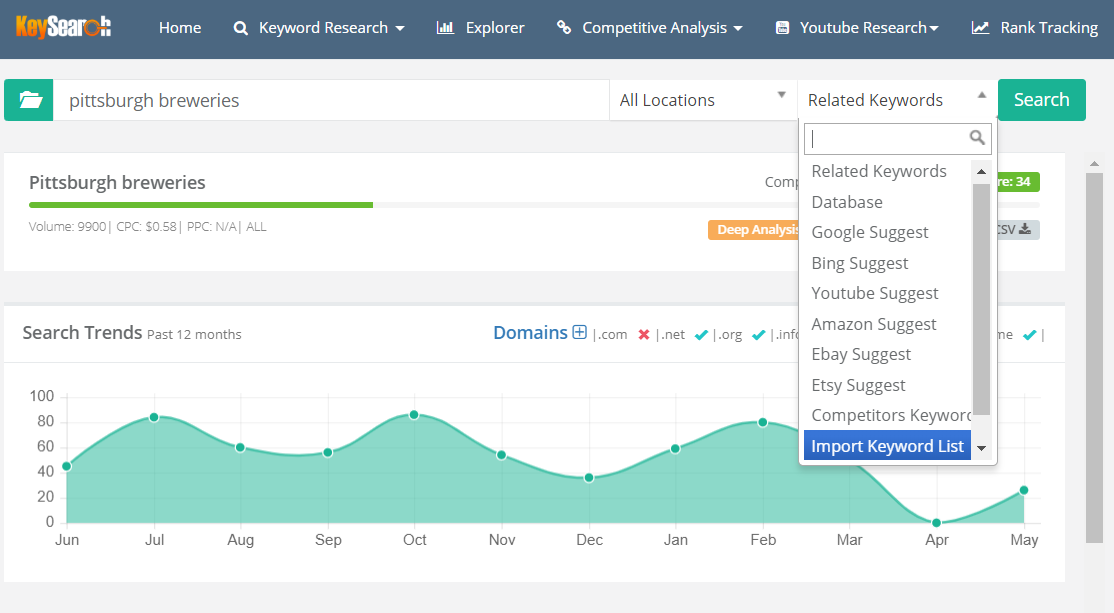
How to See What Keywords Other Sites Rank For with Keysearch

There are a number of novel ways to use the keyword research tool, Keysearch, to improve your SEO game. But sometimes one of the hardest parts of doing research is coming up with keyword ideas in the first place.

One of my favorites features of Keysearch (especially for my local blog where I compete with our tourist office, many local magazines, and news outlets), is that Keysearch actually lets you look at the keywords for any site on the internet- not just your own! This presents a number of opportunities where you can quite literally peer into other sites, find keywords they rank for, and get new ideas on what you may be able to target yourself.

In this guide, I'm going to share a step-by-step process of how you can do just that.

Read more

How to Read WebPageTest Results and Improve Your Blog’s Speed

One of our favorite services to look at our blog's site speed is WebPageTest. This free service provides a wealth of data about your site and really lets you dive down into the individual components that make your blog tick.

In running a test, we know that the amount of data returned in this one can cause information overload. To help, we put together this guide featuring some of the most important elements we look at when optimizing our blogs, what they mean, and potential fixes that you can implement on your own blog for speed improvement!

Note: All website owners can run a test on WebPageTest and analyze results, but some of our recommendations below are targeted purely towards WordPress users.

Read more

This Week in Blogging
Privacy Overview

This website uses cookies so that we can provide you with the best user experience possible. Cookie information is stored in your browser and performs functions such as recognising you when you return to our website and helping our team to understand which sections of the website you find most interesting and useful.