Published by Jeremy. Last Updated on April 30, 2026.
Disclaimer: This Week in Blogging uses demographic data, email opt-ins, and affiliate links to operate this site. Please review our Terms and Conditions and Privacy Policy. To see more of our content, set us as a Preferred Source in Google.
If there is one thing I hate as a writer in the food space, it is poorly written posts that “review” bars and restaurants.
You have probably seen the type a thousand times over on social media by now. “We went to [restaurant]. We had [list of menu items]. It was sooooooo good. 1000000000000/10. Your new favorite hangout.” And then that influencer, likely omitting that they were also hosted by the restaurant, never, ever goes back again until the next time they’re given a free appetizer.
Yeah, they sure “loved” it, alright. So much so that I hope everyone can (or at least, I hope) see right through it as nonsense.
If that sounds like you, I’ve got some good news. It is actually really easy to write a thoughtful restaurant review, and I’m going to share all of the secrets with you today!
The Makings of a Good Restaurant Review
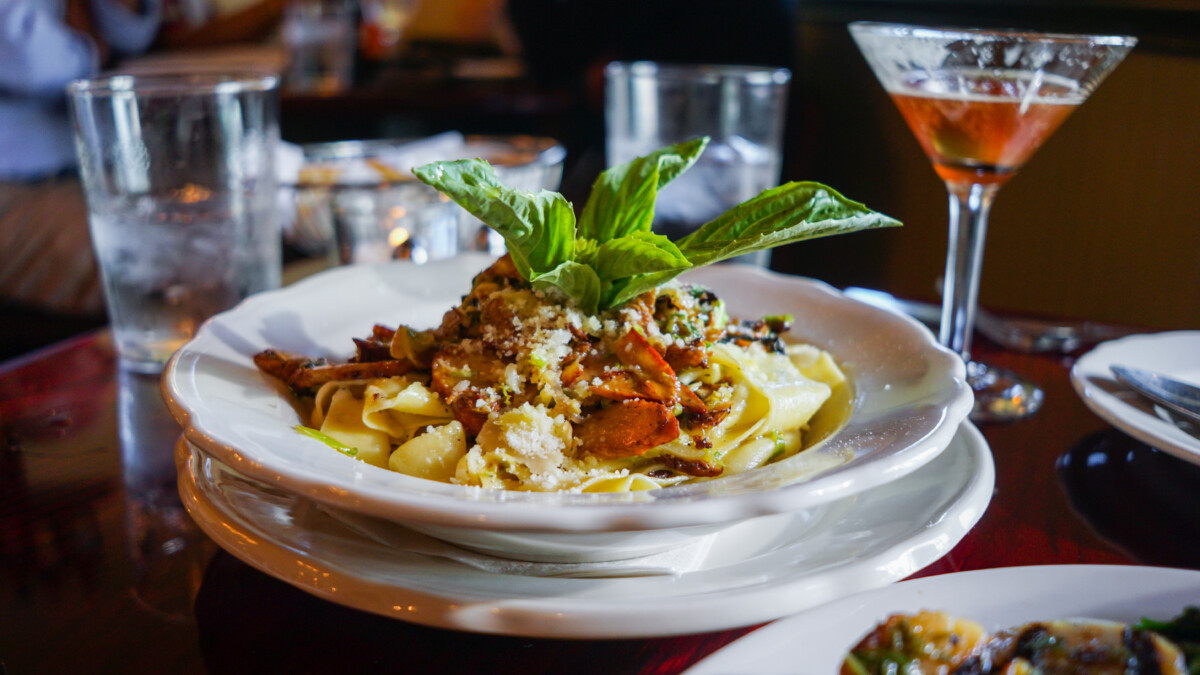
When it comes to writing about a bar, restaurant, or any other food-related experience, you can really put together a pretty informative review simply by following a standardized, almost Mad Lib-style format.
Let’s break down all of the topics you could talk about before giving a Mad Lib layout to riff off of.
First, take a moment and stop to think about all of the elements of the experience you may be able to put in writing. There is the food, of course. But what about the service? The drinks? The seating? The lighting or decor? The pacing of the meal? The price? The overall offerings on the menu (amount, size, variety, theme, etc)? Did you need a reservation or walk-in? Do you have personal experience with the dishes (e.g. have visited the country they come from, have a secret family recipe, etc)?
All these, and more, could be part of the discussion when reviewing a restaurant.
A simple statement of “we sat at the bar” can be expanded to add many more details, like “although the restaurant primarily takes reservations, the bar area is typically reserved for walk-ins, and we grabbed one of these seats shortly after they opened on a Friday night without a wait. This turned out to be a great decision because we got to have a great discussion with the bartender who made our drinks, which we wouldn’t have been able to enjoy as much if we had sat at a table.”
See, much more descriptive and helpful than simply saying “we sat at the bar”.
Two or three sentences on ambiance or other visiting details, like the above, and now you just described the place in a way that is useful, other than just calling it a “vibe”.
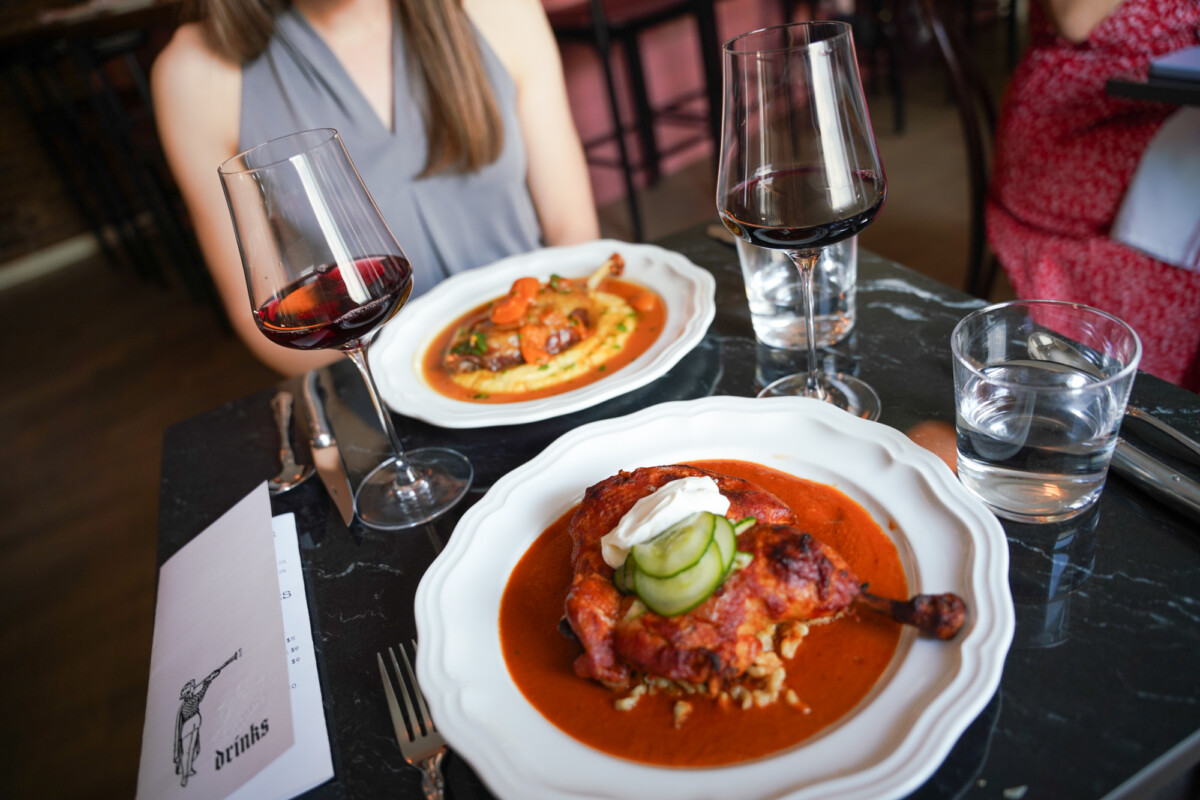
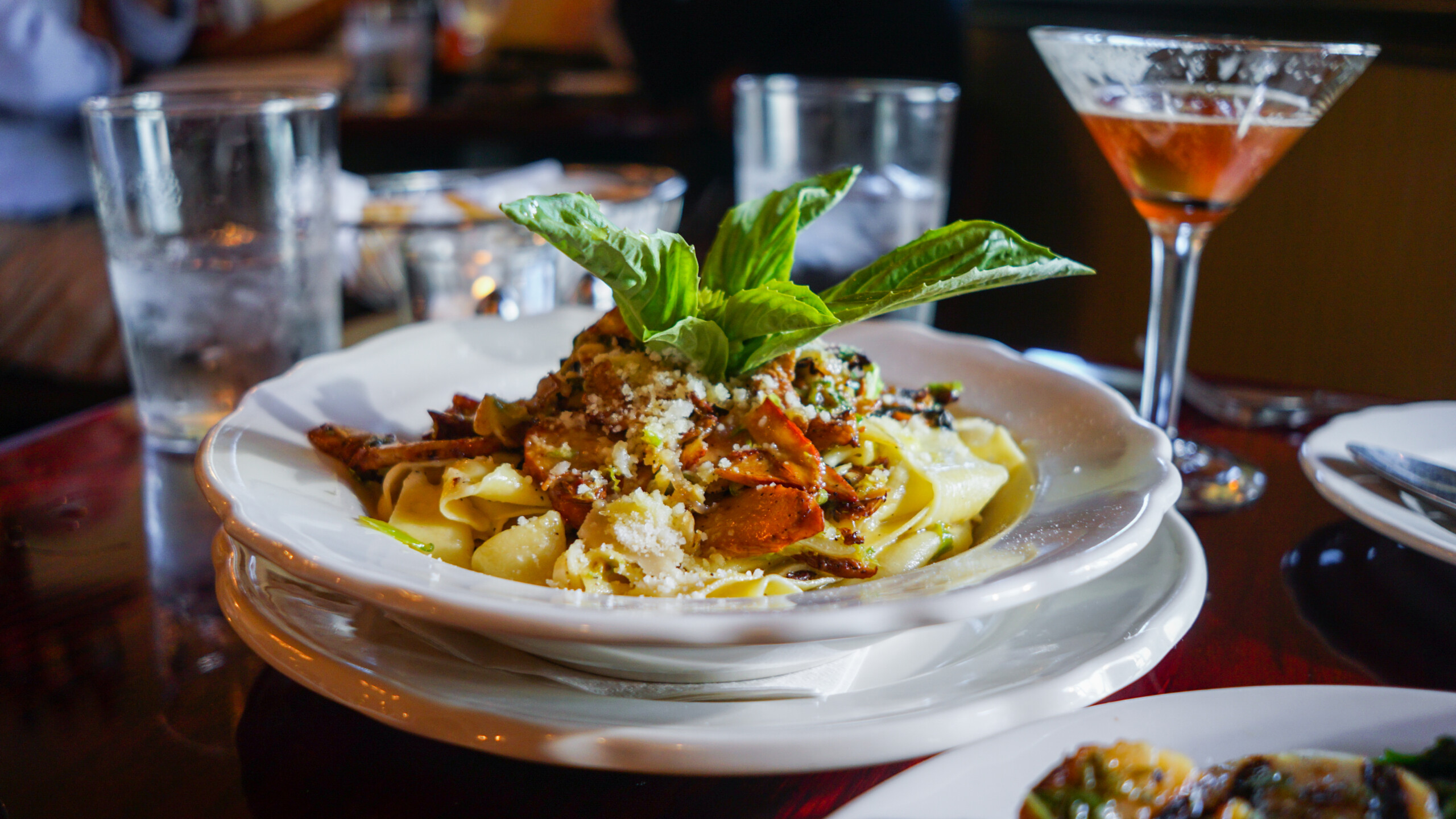
Second, this can be expanded to food and drinks for the bulk of your review. Your first easy point is to outright describe what was in each item. “We had [dish]” can then be expanded to “We had [dish], which was made with [ingredients]”. A quick, easy win that helps convey more information than just stating the menu name alone, which then lends itself to the next element of discussion.
Third, you then take it further by breaking down one or two pros and cons of each dish. You can take variations of phrases like “[ingredient] added a nice [descriptor]” or “the [descriptor of ingredient A] worked well with [ingredient B]”.
This doesn’t have to always be comparative, although it is easy to relate how two ingredients work together. You can also describe things like portion size, flavors, textures, seasonings, price-to-value, pacing of the meal, a specific ingredient that stood out (good, bad, or otherwise), ingredients that weren’t listed on the menu, and more. Do this once or twice for each item you are discussing, and vary the descriptor categories so as not to be repetitive.
For example, “the fried onions on top added a nice textural component to the dish,” “the spiciness of the chiles was offset by the rich, creamy sauce,” or “while we enjoyed this one, we thought the portion size was somewhat small for the price compared to other items we ordered.” For standout dishes, I like to throw in a “this is one of those dishes I fell in love with and will order every time,” and, naturally, only throw that gem out when I truly mean it.
Do this for each dish, and now you have expanded a “we had food” list to a descriptive summary, with each item having a few points you liked or disliked. You’ve now provided the perspective!
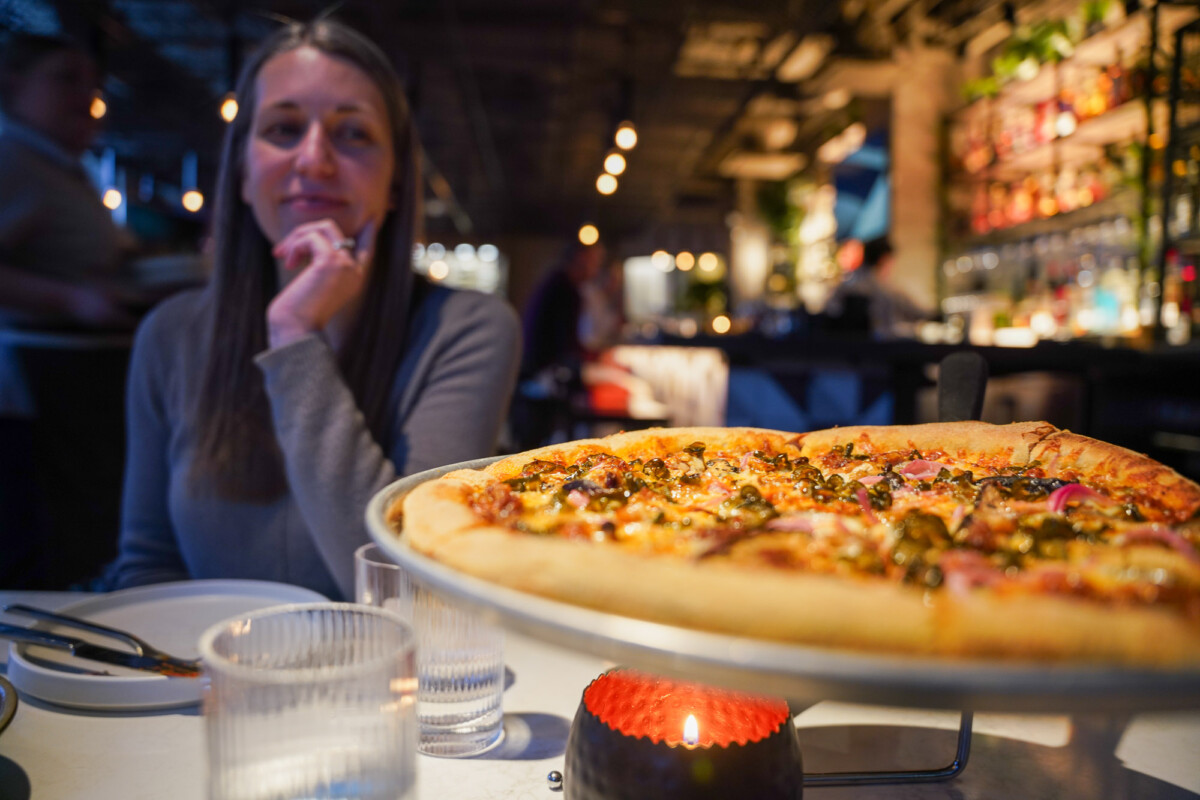
Fourth, all of this can be repeated for drinks in a similar fashion. Break down the ingredients, share an element or two you liked or disliked, and provide context for each and every item. But you can also discuss how the drinks pair with the food choices. This is popular in wine pairings, as flavors can evolve based on what is on your palate, but it can also apply to any drink if you notice something worthwhile to discuss.
Something as easy as “the tannic Cabernet Sauvignon by the glass was cut nicely by the rich and fatty steak”. Again, you’re taking two elements of the meal, describing them separately, and then relating them to each other just as you would two ingredients in a single dish. This doesn’t work for all things, of course (I rarely say how beer pairs with an appetizer the way I would with wine, for example), but you have an opportunity here to share how things stand out good, bad, or otherwise (e.g. “the sweetness of the cocktail did not pair nicely with the savory entree and I would’ve saved it for dessert instead.”)
Fifth, you can also talk about things you didn’t try, within reason, of course. One thing I really like to add to my reviews for variety is discussing other dishes I was unable to try, but I am completely upfront about the reasoning behind it.
These can include statements such as “While dining, another table ordered the restaurant’s [dish] which looked quite appetizing and is a front runner for us to order on our next visit” or, more common for us in this particular instance, “we had to skip dessert as the more interesting options all had nuts, which we have an allergy to; however, the [dish] looked quite delicious”. Again, you’re providing some context that may help your readers out in these scenarios, even if you do not have first-hand experience, such as tasting an item.
Finally, end with a summary of the experience to tie it all together. Finish with a strong statement that defines your experience, highlighting one or two key takeaways from the meal overall. Was it the price? The service? A specific dish not to miss? The portion sizes? A final tip to score a reservation? You name it, but finish strong no matter what. “Overall, this one missed the mark for us because the portions were a bit too small for their price” can have the same impact as “Overall, we really adored this restaurant and loved that we got a massive feast for a reasonable price point”.
A Mad Lib Style Example
So, let’s put it all together in a generic Mad Lib-style format you can start from and expand from there.
- Intro– “[Restaurant] is a popular [restaurant style name] located in [neighborhood] that opened in [date]. After hearing great reviews from friends, we knew we had to get into this one right away.” Expand this to two to three paragraphs with other relevant, high-level details about why you were excited to visit, or other similar details.
- Description of the space or booking logistics– “We arrived at the restaurant shortly after they opened and [reservation logistics]. Our server greeted us promptly, and we learned about the specials and placed drink orders to start our meal.” One to two short paragraphs can be stated here on something that jumped out to you about the space, menu, etc.
- Describe the drinks– “We ordered [drink name] made of [ingredients] and [describe one or two elements you enjoyed or did not enjoy],” repeat for all drinks. You could also weave in drinks around specific dishes if the pairing was particularly notable. Personally, we like to start talking about cocktails on their own, and weave in mentions of beer and wine alongside the food. But you do you!
- Describe the food – “Our appetizer of [item] came out first and was made with [ingredients]. We [describe an element or two here]” Repeat this for every item, varying your descriptors highlighting a single ingredient, how they play well together, negatives, price, and more.
- After you get practice expanding drinks and food, you can quickly see how this balloons the article size into the bulk of the review, with one or two paragraphs per item.
- Weave in one or two other descriptions when relevant – “After ending our meal, service was a bit slow before we could order dessert”, “Throughout the evening we had attentive service and pacing was perfect”, or “We wish we could’ve ordered more but were completely stuffed”. We like to throw in anecdotes about when dishes remind us of something we have had in our travels, such as “it was a perfect recreation of the dish we had when visiting [country]”.
- Finally, end with a strong closing statement or two to tie it all together. “This is the kind of meal we’ll be dreaming about for years,” or “we already made another reservation!” amongst many others.
See, easy!
Do Not Tell Your Readers What To Think
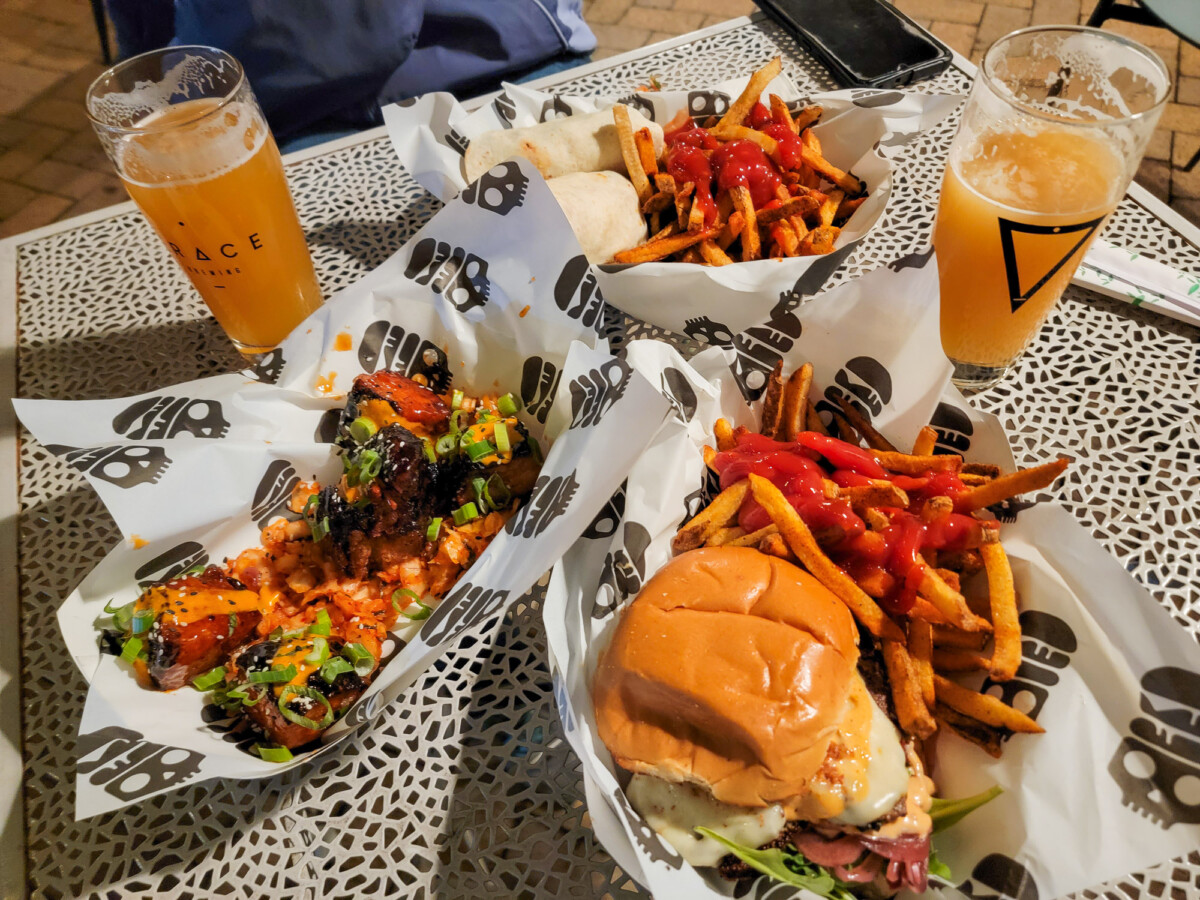
Finally, we want to end this one on something you should never do in writing a restaurant review, and that is telling your reader what they should do or think unless circumstances call for it (e.g. “be sure to clarify on allergens” if you had an issue or “do this to score a reservation” or “I am glad I tried it but I am not sure I’d order it again” are better than the far more disparaging negatives that could trend towards defamation like “don’t eat here” or “skip this dish”).
A review is, and should only ever be, what you thought about your experience, and your readers can make any conclusions they want from there. Not everyone may feel the same as you do on any given topic, and that’s quite okay. You’re simply relating your experience, and that’s it.
That dish you thought was too expensive for its portion size? Someone else may look at that and say, “nah, I’m okay with that value proposition.” Or if you thought a dish was underseasoned, someone may see it and think, “I do like less salt on my food.” These are comments I’ve received from readers over the years, and only after a period of time did we realize that some readers have gotten to know our tastes pretty well- especially when we differ from each other. Don’t yuck someone else’s yum, after all.
In a sense, this is the most risky when negative rather than overly positive. For example, “don’t skip [appetizer] as it was one of the best iterations of this dish we’ve had” has a completely different takeaway than “you should never, ever order this dish because it was terrible”. For the vast majority of items, it is never a good idea to throw down a negative definitive without context that justifies it. “This wasn’t for us” holds a completely different weight than a more extreme “don’t ever order this, it’s terrible.”
Let your readers make their own conclusions, and stick to describing your experience only.
This isn’t to say you can’t be negative in a review. I believe in constructive criticism, even if many influencers are so pro-restaurant that they do not. But keep it tight, to the point, reflective of your personal experiences, and let the reader form their own takeaways. Is it good or bad that you need to line up 20 minutes before a restaurant opens to get a table? You can certainly say you wish they took reservations instead, but you’re also conveying the important detail- your reader needs to get there early to score a seat. They can draw their own conclusions from there.
As you can see, it really isn’t that difficult to take a restaurant review from “this was yum!” and turn it into something interesting. All you need to do is just be descriptive!
Join This Week in Blogging Today
Join This Week in Blogging to receive our newsletter with blogging news, expert tips and advice, product reviews, giveaways, and more. New editions each Tuesday!
Can't wait til Tuesday? Check out our Latest Edition here!

Increase your blog's revenue with Raptive!
Add premium display advertising on your blog with Raptive- accepting blogs starting at 25,000 pageviews per month! (Additional terms may apply.)
Upgrade Your Blog to Improve Performance



Check out more of our favorite blogging products and services we use to run our sites at the previous link!
How to Build a Better Blog
Looking for advice on how to improve your blog? We've got a number of articles around site optimization, SEO, and more that you may find valuable. Check out some of the following!